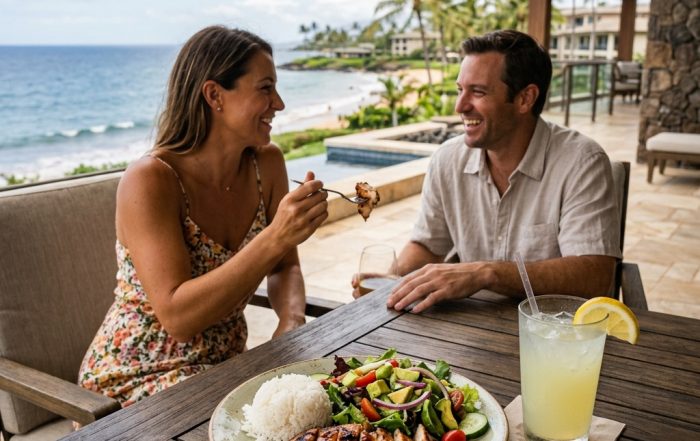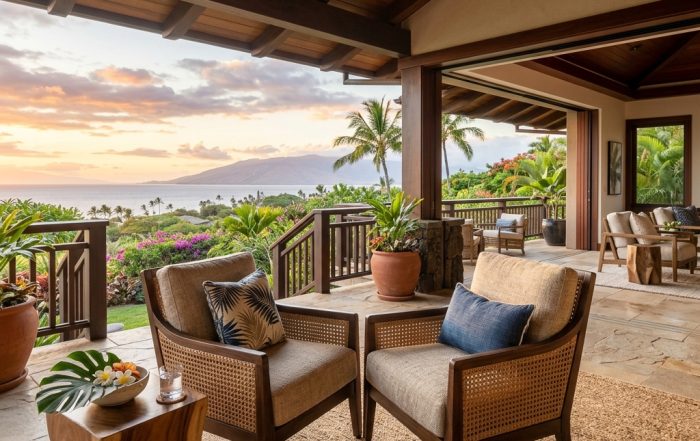
Maui’s year-round sunshine, salt air, and trade winds create a unique outdoor dining environment—one that demands more thoughtful furniture selection than you’d find in a mainland design guide. If you’re outfitting a lanai for regular meals, entertaining, or vacation rental guests, choosing the right outdoor dining furniture for Maui means balancing durability, comfort, style, and the specific challenges that Hawaii’s climate presents. This guide walks you through material selection, proper sizing for your space, layout strategies, and the brands and finishes that actually hold up to island living.
Why Maui’s Climate Demands Different Outdoor Dining Choices
Outdoor dining furniture on Maui faces conditions that accelerate wear faster than almost anywhere else on the mainland. The combination of intense UV exposure, salt spray from the ocean, trade wind-driven sand, and high humidity creates a perfect storm for fabric fading, wood checking, and metal corrosion. A dining chair that performs beautifully in Arizona or Southern California may deteriorate noticeably within two to three years on Maui without the right material specifications.
The closer proximity to the equator also changes how color and texture read in natural light. Fabrics and finishes that looked sophisticated indoors can shift dramatically when exposed to Hawaii’s direct, intense sun. This is why fiber content, finish quality, and UV-protective treatments matter so much more here than in cooler climates. When you’re investing in outdoor dining furniture for Maui, you’re not just buying a table and chairs—you’re committing to materials engineered to survive the island environment while maintaining their appearance and structural integrity.
Material Selection for Weather-Resistant Dining Chairs and Tables
Teak, Mahogany, and High-Grade Hardwoods
Solid teak and mahogany remain the gold standard for outdoor wooden dining furniture in Hawaii. These tropical hardwoods contain natural oils that resist rot, insect damage, and moisture absorption—properties that make them far superior to softwoods or pressure-treated lumber. Teak will silver gracefully over time if left untreated, while mahogany can be sealed to maintain its warm color. Both require minimal maintenance beyond occasional cleaning and light sanding if you want to restore their original finish.
Lesser hardwoods like acacia or cumaru can work if properly sealed, but they demand more vigilant upkeep. Avoid pine, cedar, or other softwoods entirely; they’ll warp and deteriorate rapidly in Maui’s salt-laden environment.
Aluminum and Stainless Steel Frames
Powder-coated aluminum offers excellent durability and lightweight handling, making it ideal for weather-resistant dining chairs Maui homeowners move seasonally or for vacation rental turnover. Look for marine-grade powder coating, which provides superior corrosion resistance compared to standard finishes. Stainless steel frames last even longer but cost more and can feel cold to the touch in strong sun. Both metals pair beautifully with teak, woven synthetic fibers, or performance fabrics.
Fabric and Cushion Specifications for Lanai Dining
Performance Fabrics and Synthetic Fibers
Natural fabrics like cotton, linen, and silk fade and deteriorate quickly under Maui’s relentless sun. Instead, specify solution-dyed acrylic or polyester performance fabrics designed for outdoor use. Brands like Sunbrella offer UV-stabilized colorways that resist fading far better than traditional upholstery. Solution-dyed fibers have color throughout the fiber rather than on the surface, so wear doesn’t expose lighter material underneath.
Woven synthetic materials—often made from polypropylene or polyester—provide excellent durability and clean easily with mild soap and water. They’re also less expensive than premium performance fabrics, making them practical for vacation rental properties that see frequent guest turnover.
Cushion Cores and Covers
Choose quick-dry foam cores rather than traditional polyurethane foam, which absorbs moisture and promotes mildew in Hawaii’s humid climate. Cushion covers should zip off for washing and be made from the same performance fabrics used for chair upholstery. Store cushions in a protected space during the rainy season, or invest in a weather-resistant storage box on your lanai.
Sizing and Layout for Functional Lanai Dining
Proper sizing ensures your outdoor dining area feels spacious rather than cramped, and layout strategies maximize both usability and visual flow. A standard dining table seats four to six comfortably; allow 24 inches of width per person and at least 36 inches of clearance on all sides for chairs to pull out and guests to move around the table. For a lanai dining setup, this typically means a table between 36 and 48 inches wide and 60 to 84 inches long.
If your lanai is narrow or irregularly shaped, consider a round table (48 to 60 inches in diameter), which maximizes seating without the angular footprint of a rectangular table. Rectangular tables work best in open, rectangular spaces and allow for easier conversation flow along the length.
Position your dining table to take advantage of views and breezes while minimizing harsh afternoon sun exposure. If your lanai faces west, a pergola or shade sail overhead can reduce glare and heat without blocking the entire space. Allow at least 12 inches of clearance between the table edge and any lanai railing or wall to prevent the space from feeling boxed in.
Real-World Specifications: Janus et Cie and Other High-Performance Brands
At IDS Maui, we specify outdoor dining furniture for Maui that balances resort-grade durability with residential elegance. Janus et Cie outdoor furniture, for example, combines teak frames with performance upholstery and offers deep customization options—dimensions, leg styles, fabric selections—through a made-to-order process. Lead times run 8 to 12 weeks, but the result is dining furniture precisely scaled to your lanai and finished in colors that complement your home’s palette.
Other lines we carry include Teak warehouse collections (solid wood with minimal hardware), powder-coated aluminum frame options from multiple manufacturers, and woven synthetic pieces that read as high-end despite their low maintenance. The key is matching the brand’s engineering to your specific use case: a vacation rental property prioritizes durability and easy cleaning, while a primary residence might invest more in finish details and customization.
Bringing It All Together
Specifying outdoor dining furniture for Maui requires thinking beyond aesthetics. Material durability, fabric performance, proper sizing, and thoughtful layout all contribute to a lanai dining area that remains beautiful and functional year after year. Whether you’re furnishing a new home, refreshing a vacation rental, or planning a full lanai renovation, the right choices today prevent costly replacements and maintenance headaches tomorrow.
Ready to design your outdoor dining space? Call IDS Maui at 808-891-8800 or visit our showroom at 3031 Old Haleakala Hwy in Makawao to see Janus et Cie, teak, and performance fabric options in person. We’ll help you specify weather-resistant dining chairs, tables, and layouts tailored to your Maui home and lifestyle.
Need Help With Your Space?
Ask us anything — furniture, design, or where to start.