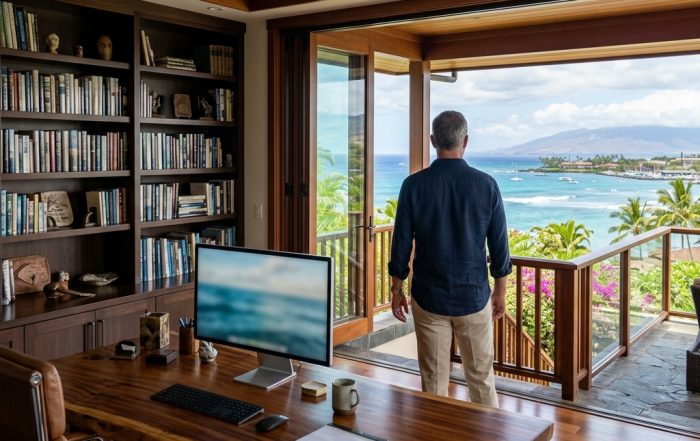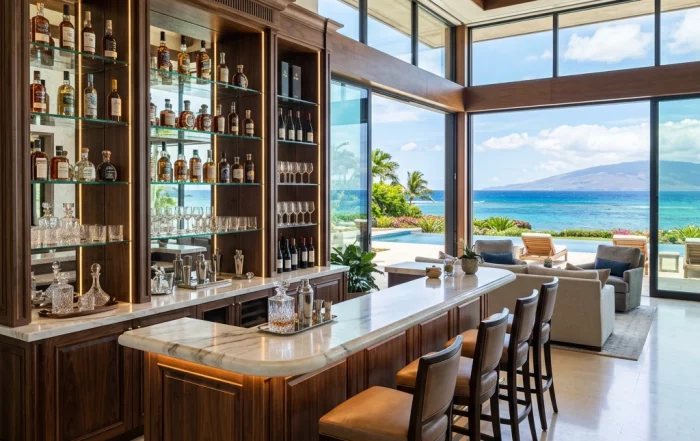
A thoughtful Maui rug guide starts with a simple reality: island floors work harder than they appear. Humidity, salt air, tracked-in sand, intense sunlight, and year-round indoor-outdoor living can quickly affect a rug’s fibers, backing, color, and placement. The right rug, however, does more than soften a room. It defines seating areas, adds warmth to tile or wood floors, improves acoustics, and brings color and texture into a Maui home without relying on predictable tropical décor. This guide explains how to choose rug materials for Hawaii’s climate, determine practical sizes, and create layouts that support everyday living. Whether you are furnishing a new residence, refreshing a vacation rental, or shopping for area rugs Maui homeowners can enjoy for years, these decisions are worth making before you fall in love with a pattern.
The Maui Rug Guide to Fibers That Stand Up to Island Living
Fiber selection is the foundation of a rug’s performance. In Maui, a beautiful rug must also tolerate moisture in the air, frequent bare feet, sand, and strong natural light. That does not mean every room needs the same material. Instead, match the fiber to the room’s traffic, exposure, and maintenance requirements.
Natural fibers with character
Wool remains one of the most versatile choices for living rooms and bedrooms. It is resilient, comfortable underfoot, naturally soil-resistant, and available in sophisticated colors and patterns. Wool can work especially well in air-conditioned interiors where you want softness and warmth. However, it should not be treated as carefree in damp or frequently wet areas.
Sisal, jute, and seagrass provide organic texture and can complement a refined island home. Seagrass is often a practical choice for casual spaces because its tightly woven surface handles daily use well. Jute has a softer, more relaxed appearance, but it can be less tolerant of moisture and heavy wear. Neither is ideal where water is regularly tracked indoors.
Synthetic and performance fibers
For a humid climate, Hawaii homeowners often consider polypropylene, solution-dyed polyester, and other performance fibers. These materials resist fading, absorb less moisture, and are easier to clean than many delicate natural fibers. They are strong candidates for lanais, entry areas, family rooms, and vacation rentals.
The best rug material for humid climate Hawaii homes depends on the entire setting—not just the fiber label. Ask about the backing, pile height, cleaning instructions, and expected exposure to sunlight. A low-pile, tightly woven rug may perform better near a lanai door than a luxurious high-pile design, even if both are made from durable fibers.
Choosing Rug Sizes and Layouts for Maui Rooms
Correct proportions make a room feel intentional. A rug that is too small can leave furniture floating around the edges, while one that is too large may overwhelm the floor plan or interfere with doors. Before shopping, measure the room and note circulation paths, door swings, vents, and transitions between flooring materials.
Living rooms and conversation areas
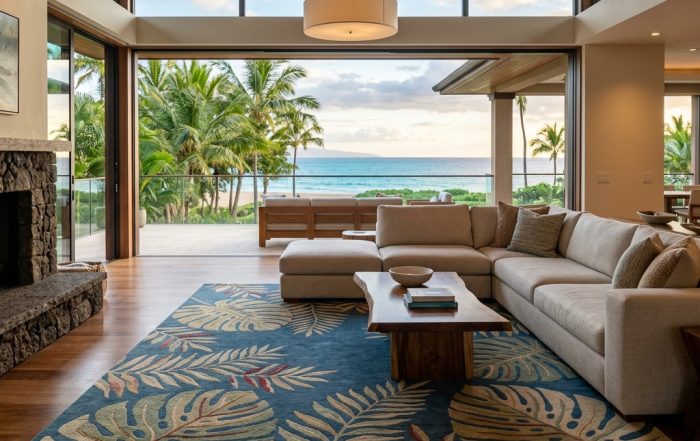
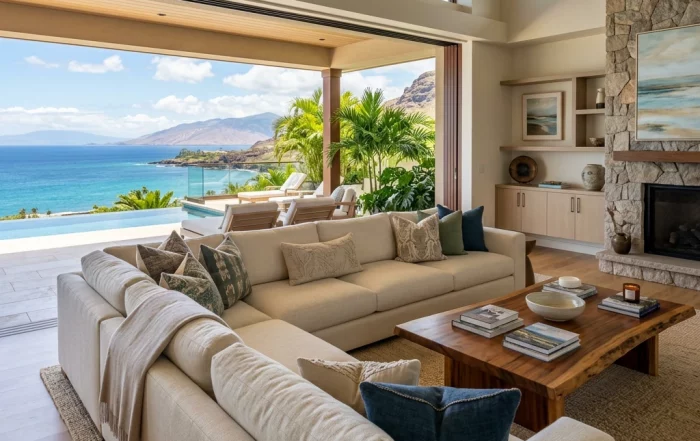
For rug sizing living room layouts, the most balanced approach usually allows at least the front legs of sofas and chairs to sit on the rug. In a larger room, placing all seating completely on the rug creates a more connected, finished arrangement. Leave a visible border of flooring around the perimeter so the rug frames the space rather than appearing wall-to-wall.
For example, an 8-by-10-foot rug may suit a compact seating group, while a 9-by-12-foot or larger rug can better anchor a generous sectional. Always mark the proposed dimensions with painter’s tape before ordering. This simple step reveals whether walkways remain comfortable and whether the coffee table will sit proportionally within the arrangement.
Dining rooms, bedrooms, and entryways
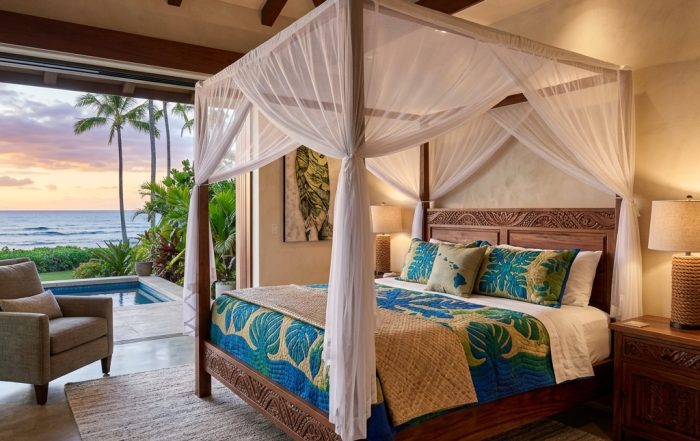
Dining rugs should extend far enough beyond the table that chairs remain on the rug when pulled out. This reduces catching and scraping at the edge. In bedrooms, a large rug under the bed can extend beyond the sides and foot, adding comfort without covering every inch of flooring. Runners beside the bed offer a smaller, flexible alternative.
- Keep rug edges clear of frequently opened doors.
- Use rug pads suited to the floor type to prevent slipping and discoloration.
- Leave comfortable walking space around furniture and between rooms.
- Use smaller washable or performance rugs near high-sand entry points.
Indoor-Outdoor Rugs Hawaii Homes Can Use Beautifully
Maui’s lanai lifestyle often blurs the line between interior and exterior rooms. A rug can visually connect a living room to an outdoor seating area, but the design must suit the exposure. Indoor outdoor rugs Hawaii homeowners choose should be specifically rated for exterior use and placed where drainage, ventilation, and cleaning are manageable.
Look for solution-dyed fibers, low profiles, mildew-resistant construction, and colors that will not show every grain of sand. Pattern can be helpful: subtle variation, small-scale motifs, and layered neutrals tend to disguise everyday debris better than a solid pale surface. Still, no outdoor rug is maintenance-free. Shake or vacuum it regularly, rinse it according to the manufacturer’s instructions, and allow it to dry fully after cleaning or rain.
Inside the home, consider the movement of sand from the entry, pool, beach, or garden. A durable runner in a transitional zone can protect more delicate flooring and reduce the amount of grit carried into living areas. In vacation rentals, this strategy can also limit cleaning time between guests while giving the property a more finished appearance.
Color deserves special attention in Hawaii. Equatorial light can make colors appear brighter and more saturated than they do in a mainland showroom. A blue-gray, green, or warm neutral may read differently once it is surrounded by Maui sunlight. Sampling the actual rug—or viewing a fabric and color reference in the room—is far more reliable than choosing from a screen alone.
Examples, Maintenance, and Selecting the Right Maui Rug
Consider a new Maui homeowner furnishing an open-plan residence with pale flooring and a sectional facing the ocean. A low-pile wool rug in a softly patterned neutral could anchor the indoor seating area, while a performance rug on the lanai repeats one accent color without attempting to match the interior exactly. The result feels connected, yet each rug is appropriate to its exposure.
For a vacation rental, durability and easy upkeep may take priority. A solution-dyed performance rug with a restrained geometric pattern in the living room, paired with washable runners near the entry and bedrooms, can provide style while handling frequent turnover. In a primary suite, a softer wool rug may be more appropriate because traffic and maintenance are easier to control.
To extend the life of any rug:
- Vacuum regularly using a setting appropriate for the pile.
- Address spills quickly rather than allowing moisture to sit.
- Rotate rugs periodically to balance sunlight and foot traffic.
- Use professional cleaning recommended for the specific fiber.
- Inspect pads and backing for moisture, slipping, or floor discoloration.
At IDS Maui, rug selection is considered alongside furniture scale, fabrics, lighting, flooring, and the way each room is used. Visit the Maui interior design showroom in Makawao to discuss options for a single room or a whole-home furnishing plan. Call 808-891-8800 or email the studio for help choosing a rug that suits your style, floor plan, and island conditions.
Bring Your Maui Rug Plan Together
The right rug for a Maui home balances beauty with performance. Start by considering humidity, sunlight, sand, traffic, and whether the rug will live indoors, outdoors, or between both zones. Then confirm the size with your furniture layout, choose a suitable pad, and evaluate colors in Hawaii’s distinctive light. A carefully selected rug can make a room feel calmer, more cohesive, and considerably more comfortable.
IDS Maui has provided Hawaii-specific interior guidance for 27 years, with access to quality furniture, rugs, fabrics, lighting, and accessories sourced through direct manufacturer relationships. If you are ready to furnish a new home, refresh a vacation rental, or solve a challenging room layout, call 808-891-8800 or visit the showroom at 3031 Old Haleakala Highway in Makawao, Monday through Friday from 10 a.m. to 6 p.m.
Need Help With Your Space?
Ask us anything — furniture, design, or where to start.