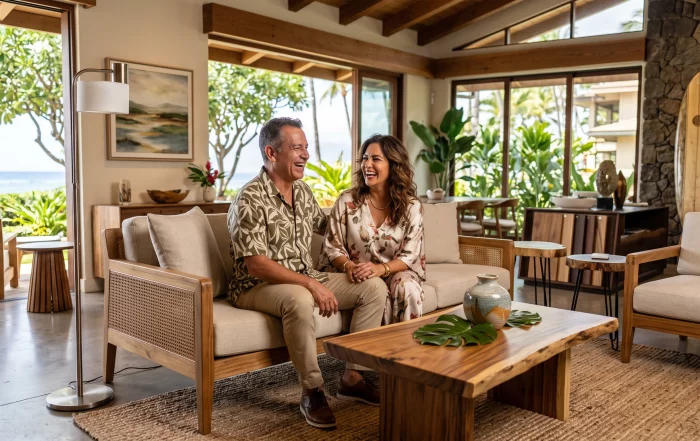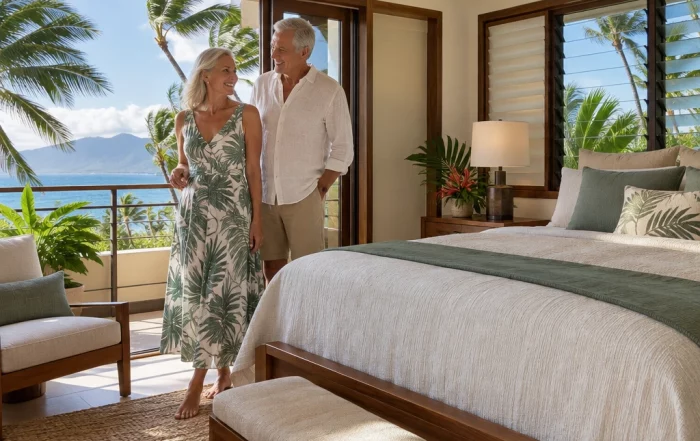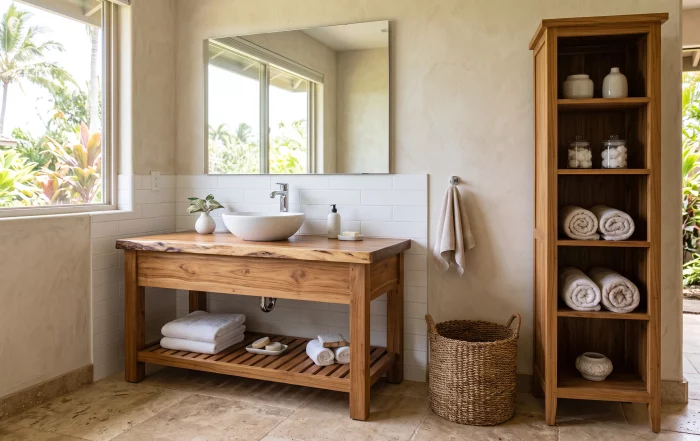
Choosing the right furniture is about more than finding a beautiful silhouette. For Maui homes, the frame beneath the upholstery, the wood species, the finish, and the construction method all affect how a piece performs in salt air, strong sunlight, humidity, and year-round indoor-outdoor living. A thoughtful Maui Furniture frame Selection helps protect your investment while creating a comfortable, cohesive interior.
Whether you are furnishing a new home, updating a vacation rental, or completing a second residence remotely, this guide explains what to look for in Maui furniture frames. You will learn how construction influences durability, which materials are better suited to different rooms, how to evaluate upholstered and outdoor pieces, and why local design expertise matters. IDS Maui has served Hawaii for 27 years, helping clients select furniture, lighting, rugs, accessories, and custom pieces that suit both their lifestyle and the island climate.
Maui Furniture frame Selection: Why Construction Matters
A furniture frame is the structural foundation of a piece. It supports the weight of people and cushions, maintains the shape of the furniture, and determines how well the item withstands daily use. Two sofas may look nearly identical in a showroom, yet their internal construction can produce very different results after several years.
For Maui homeowners, frame quality is especially important because replacement logistics can be more complicated than on the mainland. Freight, delivery coordination, and installation add time and cost. Selecting well-made furniture from the beginning can reduce premature replacement and create a more sustainable furnishing plan.
What defines a well-built furniture frame?
Look for frames made with carefully selected hardwoods, engineered hardwood components, or a combination appropriate to the design. Strong joinery—such as reinforced corner blocks, dowels, mortise-and-tenon connections, and secure screws—helps prevent wobbling and shifting. Stapled-only construction, thin particleboard, or weak corner connections may not provide the same long-term performance.
In upholstered furniture, the frame should feel solid when you sit down, stand up, or shift your weight. It should not creak excessively, twist, or flex in a way that suggests stress on the joints. A reputable manufacturer will also provide information about cushion construction, suspension systems, finishes, and warranty coverage.
Match construction to the room
Furniture construction should reflect how a space is used. A formal sitting room may need a refined, lightly used chair, while a family room requires a stronger frame, resilient suspension, and performance upholstery. A vacation rental needs pieces that tolerate frequent turnover, cleaning, luggage, and varied guest habits. Likewise, dining chairs and bar stools should be selected for repeated movement and regular loading rather than appearance alone.
- High-use seating: Prioritize hardwood or engineered hardwood frames, reinforced joints, durable suspension, and cleanable fabrics.
- Occasional furniture: Consider visual scale and finish quality, while still choosing stable construction.
- Dining and bar furniture: Look for well-supported legs, strong corner connections, and finishes suited to spills.
- Bedroom furniture: Evaluate drawer construction, hardware, back panels, and the stability of bed rails and headboards.
How Maui’s Climate Influences Furniture Materials
Maui’s climate changes the way furniture materials perform. Salt air, wind, intense ultraviolet exposure, and humidity can gradually affect fabric, wood, metal, leather, and protective finishes. In addition, Hawaii’s proximity to the equator influences how color reads indoors. A paint, fabric, or wood tone that seems balanced in a mainland showroom may appear more vibrant, warmer, or more reflective in Maui’s natural light.
That is why climate-resistant furniture is not limited to outdoor collections. Interior pieces near sliding doors, windows, lanais, and ocean-facing openings may also need carefully selected materials. Good planning considers exposure, airflow, cleaning requirements, and the relationship between interior and exterior spaces.
Wood species and finishes
Different woods respond differently to changes in moisture and sunlight. A quality finish helps, but it does not make furniture invulnerable. Direct sun can fade stains and finishes, while salty air may accelerate wear on hardware and exposed surfaces. For high-exposure rooms, consider woods and finishes selected for stability, along with window treatments or UV-filtering solutions that reduce direct radiation.
Solid wood, veneer, and engineered wood can all be appropriate when properly specified and manufactured. Veneer, for example, allows designers to achieve a beautiful grain pattern while reducing movement across broad surfaces. The important questions are whether the material is suited to the application, how the edges are finished, and whether the piece has been constructed with attention to humidity and long-term use.
Fabrics, leather, and cushion interiors
Textiles deserve equal attention. Natural fibers can offer exceptional beauty and breathability, but their performance depends on weave, treatment, location, and exposure. Performance fabrics may provide improved resistance to stains, moisture, and fading, making them valuable for family rooms, vacation rentals, and lanai-adjacent seating. However, “performance” is not a substitute for proper care or thoughtful placement.
Cushion interiors also influence comfort and longevity. High-resiliency foam, spring-down, and other premium constructions create different sitting experiences and maintenance requirements. A designer can help balance softness, support, cleanability, and appearance instead of treating every sofa or chair as a one-size-fits-all purchase.
Choosing Furniture Frames for Indoor-Outdoor Maui Living
In Maui, the boundary between inside and outside is often fluid. A lanai may function as a dining room, lounge, or entertaining area throughout the year. As a result, furniture must be selected according to its actual exposure rather than simply labeled “indoor” or “outdoor.” A covered lanai protected from rain and direct sun has different needs from an oceanfront terrace exposed to wind and salt spray.
Outdoor frame considerations
Outdoor frames should resist moisture, corrosion, ultraviolet exposure, and temperature changes. Aluminum, properly treated teak, durable synthetic materials, and other purpose-built outdoor constructions can perform well when specified for the environment. Stainless or corrosion-resistant hardware is also important, especially near the coast.
Even high-quality outdoor furniture needs maintenance. Cushions should be allowed to dry fully, covers should be cleaned according to manufacturer directions, and furniture should be positioned to reduce unnecessary exposure. When severe weather is expected, movable pieces may need to be stored or secured.
When indoor furniture works near a lanai
Some interior pieces can work beautifully in a protected transition space, but only when exposure is limited and the materials are appropriate. A solid wood console or upholstered lounge chair may be suitable in a shaded, enclosed area, while the same item could deteriorate quickly on an open deck.
Consider these questions before selecting a frame:
- Will the furniture receive direct morning or afternoon sun?
- Is the space exposed to wind-driven rain or salt spray?
- Will the furniture be used daily or only for occasional entertaining?
- Can cushions and accessories be brought indoors easily?
- Does the frame finish coordinate with the flooring, cabinetry, and exterior materials?
IDS Maui can help coordinate indoor and outdoor furniture so the transition feels intentional. Collections from lines such as Janus et Cie, McGuire, and other manufacturer-direct sources can provide a more cohesive result than mixing unrelated pieces selected without regard to scale, finish, or climate.
Evaluating Maui Furniture Frames Before You Buy
When comparing furniture, look beyond the showroom appearance. A frame should support the design concept, but it also needs to meet practical requirements for comfort, traffic, maintenance, and delivery. This is particularly important for clients furnishing an entire home or ordering from the mainland without seeing every item in person.
Questions to ask about furniture construction
- What materials are used inside the frame?
- How are the corners and joints reinforced?
- What suspension system supports the seat or back?
- Are replacement cushions, covers, or components available?
- Which finishes and fabrics are recommended for Maui conditions?
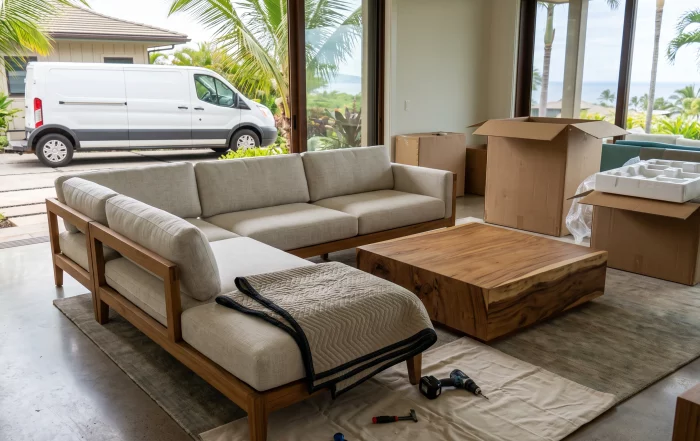
- How will the piece be packaged, shipped, delivered, and installed?
- What is the expected lead time for this specific configuration?
Made-to-order furniture can be especially useful when standard pieces do not fit a room. Depending on the manufacturer, you may be able to adjust dimensions, arms, legs, finish, fabric, and cushion firmness. Custom orders typically require more planning; IDS Maui’s custom and made-to-order pieces generally have lead times of approximately 8–12 weeks, while selected Quick Ship items may arrive in two to three weeks. Standard made-to-order items can take up to eight weeks, depending on the line and specifications.
Scale, comfort, and the complete room
A technically strong frame will not solve a room that is poorly scaled. Measure doorways, elevators, stairways, hallways, and turning clearances before ordering. Then consider how the furniture relates to rugs, lighting, artwork, side tables, and circulation paths. A sectional that is comfortable in a large mainland room may overwhelm a Maui condo, while a small sofa may look lost in an expansive great room.
IDS Maui works with respected brands including Bernhardt, Baker, Caracole, Century, Hancock & Moore, Holly Hunt, Theodore Alexander, and others. Because these lines are ordered directly from manufacturers and are often unavailable elsewhere on Maui, clients can access a broader range of construction options, finishes, upholstery, and dimensions.
Why Local Maui Furniture Guidance Makes a Difference
Online furniture research can help you establish a style, but it rarely accounts for Hawaii-specific light, salt exposure, freight, installation, and long-term care. Local expertise brings those practical details into the selection process before an expensive order is placed. It also helps ensure that furniture, rugs, lighting, and accessories work together as one complete environment.
IDS Maui has provided interior design solutions for 27 years, serving Maui, Lanai, Molokai, Oahu, the Big Island, and clients in the continental United States. The team works with homeowners, second-home owners, and vacation rental operators on projects ranging from a single bedroom to full residences. Services may include furniture selection, custom bedding, AutoCAD drawings, 3D renderings, lighting and cabinet design, purchasing, freight coordination, installation, and damage claims.
Freight to Hawaii is commonly approximately 10–15% of the item cost and is priced by cubic footage. Planning several pieces together can make the ordering and shipping process more efficient. IDS manages freight coordination and damage claims for clients, which can be especially valuable when furnishing remotely.
Visit the IDS Maui showroom at 3031 Old Haleakala Highway in Makawao, Monday through Friday from 10 a.m. to 6 p.m., or call 808-891-8800 to discuss your project. A conversation about room use, exposure, budget, and timing can lead to better furniture construction decisions from the start.
Conclusion: Select Maui Furniture Frames with Confidence
The best Maui furniture frames combine reliable construction, appropriate materials, comfortable proportions, and a finish suited to the island environment. Start by considering how each room is used, then evaluate the frame, upholstery, exposure, maintenance needs, and delivery requirements together. This approach creates furniture that is not only attractive on installation day but also more comfortable and dependable over time.
For help selecting furniture, lighting, rugs, or accessories for your Maui home or rental property, contact IDS Maui. Call 808-891-8800, visit the Makawao showroom, or reach out to request a design consultation or furniture quote. The IDS team can help you develop a cohesive plan and source distinctive, climate-conscious pieces through trusted manufacturer relationships.
Need Help With Your Space?
Ask us anything — furniture, design, or where to start.