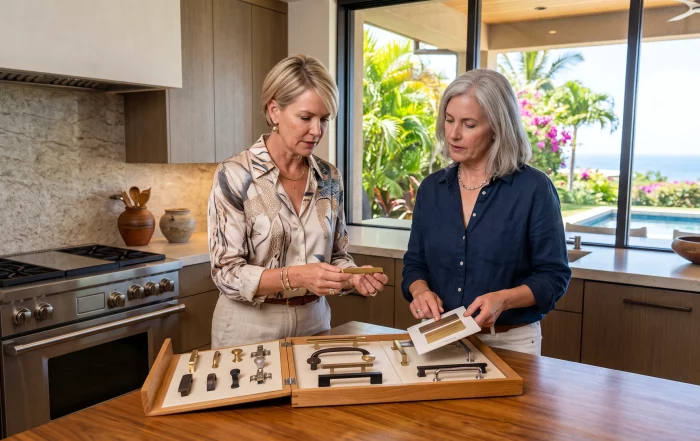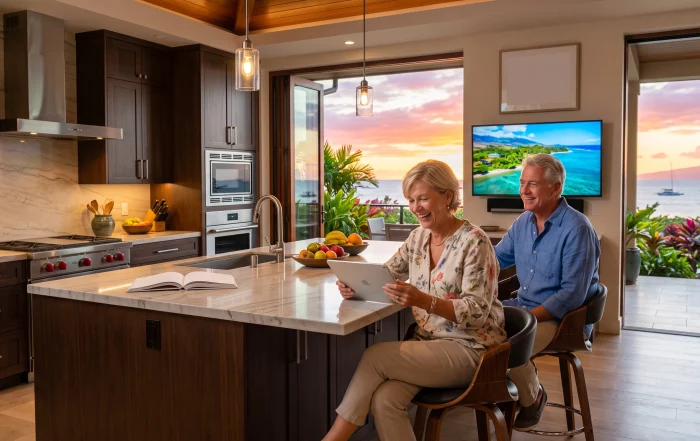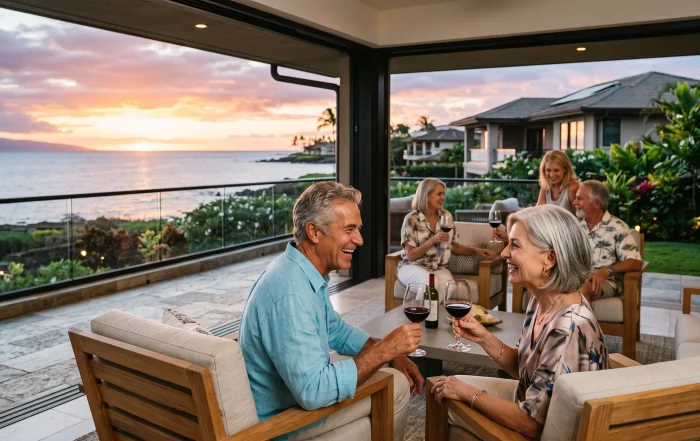
Maui’s salt air, relentless humidity, and intense tropical sun create an unforgiving environment for standard furniture hardware. A door knob that works beautifully in a mainland living room may corrode and fail within months when exposed to coastal conditions. The same applies to cabinet pulls, drawer slides, hinges, and fasteners—materials and finishes that seem adequate on the surface often hide vulnerabilities that only become visible after rust staining appears on wood or metal begins to deteriorate.
Choosing furniture hardware for Maui homes requires a different approach than generic design advice. The stakes are higher because the climate is harsher, and the cost of replacing or refinishing damaged pieces far exceeds the upfront investment in marine-grade specifications. This guide walks you through the hardware decisions that matter most: which materials resist salt and humidity, how to evaluate finishes for your specific location, and what maintenance realities you need to understand before making a purchase.
Understanding Maui’s Hardware Challenges: Salt Air, Humidity, and UV Exposure
Maui’s position near the equator and its coastal geography create environmental conditions that accelerate corrosion and material degradation. Salt particles settle into metal joints, fasteners, and hardware crevices, where they interact with moisture and humidity to trigger rust formation. Unlike mainland coastal areas with seasonal salt exposure, Maui experiences year-round salt air, particularly in communities like Wailea and Kapalua.
Marine-grade specifications for coastal furniture exist for good reason: standard steel screws or brass-plated brackets will bleed rust onto stone tiles and wood surfaces within months. This is not over-specification—it is the difference between a lanai that looks beautiful for a decade and one that deteriorates within two seasons.
Beyond salt air, Maui’s intense UV exposure fades upholstery and discolors exposed wood, while humidity swings—especially in Upcountry areas like Kula—can cause wood joinery to fail and finishes to crack. When these environmental stressors combine with inadequate hardware, even beautiful teak or solid koa furniture becomes vulnerable.
Why Standard Hardware Fails in Hawaii
Many homeowners and rental managers assume that “stainless steel” or “powder-coated” finishes automatically resist salt air. This assumption is dangerous. Not all stainless steel grades perform equally. 304-grade stainless steel, commonly used in decorative applications, can corrode in salt-air environments. Marine-grade 316 stainless steel is non-negotiable for any furniture destined for a covered lanai or high-humidity room near salt air. The additional molybdenum content in 316-grade provides superior corrosion resistance in chloride-rich environments.
Powder-coated aluminum can also fail if the coating is applied to low-grade aluminum or if the welding is incomplete. Fully welded, powder-coated aluminum hardware performs significantly better than hardware with mechanical fasteners that allow moisture penetration at connection points.
Selecting Hardware Materials for Your Location and Exposure
Hardware selection begins with an honest assessment of where the piece will sit and how directly it will receive sun, wind, and salt air. A piece in a fully enclosed, air-conditioned bedroom faces entirely different stressors than furniture on an open lanai or near a sliding glass door with ocean views.
Open Lanai and Coastal Exposure
For furniture on open lanais, covered entries, and doors exposed to wind-driven rain and ocean air, marine-grade 316 stainless steel or fully welded, powder-coated aluminum is mandatory for all metalwork. This includes hinges, drawer pulls, screws, and fasteners. Brass-plated or nickel-plated hardware, while elegant, will not survive extended coastal exposure.
Consider a teak dining set specified for an outdoor lanai. The teak itself will weather beautifully, but the hardware is the vulnerability. Standard steel screws or brass-plated brackets will corrode and stain the wood and surrounding stone within months. The cost of marine-grade fasteners and hinges is negligible compared to the refinishing expense that follows corrosion damage.
Covered Lanais and Interior Spaces Near Salt Air
Covered lanais experience lower direct exposure but still face salt-laden air, humidity, and occasional splash. Hardware here should still meet marine-grade specifications, though fully exposed metal may not corrode as rapidly as on open lanais. Interior spaces near large windows with ocean views or near sliding glass doors benefit from marine-grade hardware, particularly for drawer pulls, hinges, and fasteners that come into frequent contact with hands or moisture.
Interior bedrooms, studies, and dining rooms far from direct salt air can accommodate a wider range of finishes. Warm metals such as brass and bronze, polished chrome, nickel, and matte black all perform adequately indoors, where corrosion risk is minimal. This is where aesthetic intent can take priority without compromising durability.
Hardware Finishes and Design Coordination
Once you have determined the material grade (316 stainless steel, powder-coated aluminum, or decorative finishes for interior use), the next decision is finish selection. Finish affects both appearance and maintenance requirements.
Warm Metals and Natural Aesthetics
Brass and bronze finishes complement natural wood, woven textures, and earthy paint colors. These warm tones feel inviting and pair well with teak, koa, oak, and other light-to-medium wood species. However, brass and bronze require regular maintenance in coastal environments. They oxidize naturally, developing a patina that some homeowners appreciate and others find dated. Polished brass and bronze will tarnish over time and require periodic cleaning to maintain their shine.
Cool Metals and Contemporary Style
Polished chrome and nickel finishes feel crisp and reflective, working well with modern, minimalist, and transitional interiors. Matte black offers contrast and definition, particularly effective against light wood and neutral walls. Matte finishes show fingerprints less readily than polished finishes, making them practical for high-traffic areas and vacation rentals where guests constantly open doors and drawers.
Coordinating Hardware Across Spaces
Finish selection is where hardware becomes part of the broader interior design rather than an afterthought. Rather than selecting each item separately, consider using a consistent finish throughout connected spaces. A Maui residence with a strong indoor-outdoor connection might use comfortable bronze levers throughout the main interior, longer matching pulls on kitchen drawers, and a carefully specified exterior set for doors exposed to salt air. The result feels unified without looking repetitive.
Each finish changes how light moves through a room, which matters in Hawaii’s bright, equatorial conditions where sunlight is intense and color reads differently than on the mainland. A designer can help ensure that door hardware, cabinet pulls, lighting fixtures, and other metalwork coordinate cohesively while meeting the performance requirements of each location.
Specific Hardware Categories and Maui-Specific Recommendations
Different types of hardware serve different functions and face different environmental challenges. Understanding these distinctions helps you make informed choices.
Door Hardware: Knobs, Levers, and Hinges
For interior doors, comfort and function often lead the decision. Levers are convenient for children, older adults, and anyone carrying items through the house, and they can support aging-in-place planning by reducing the need for a tight gripping motion. Knobs remain a graceful choice for bedrooms, studies, and traditional interiors, especially when their shape complements the surrounding architecture.
Exterior doors, lanai access points, and doors near the ocean require closer attention to corrosion resistance and maintenance. Look for manufacturer guidance regarding suitable environments rather than assuming a finish is automatically salt-air resistant. Hardware under a covered entry may perform differently from hardware fully exposed to wind-driven rain and ocean air.
Cabinet Pulls and Drawer Hardware
Cabinet pulls and drawer knobs experience frequent hand contact and are often overlooked in durability planning. In kitchens, bathrooms, and laundry areas where moisture is constant, marine-grade specifications become important even for interior spaces. The right drawer slide is just as important as the wood or finish you choose, affecting how smoothly drawers open and close, how much weight they can handle, and how long they’ll last in Maui’s tropical climate.
For vacation rentals and busy households, robust, easy-to-clean hardware in matte or brushed finishes performs better than polished or ornate designs that trap dust and salt residue. Replacement parts should be readily available, particularly for rental properties where hardware may need periodic replacement due to heavy use.
Fasteners and Hidden Hardware
Hinges, screws, and fasteners corrode invisibly until rust staining appears on the wood surface. Even beautiful teak can be undermined by inadequate hardware. For any furniture destined for a covered lanai or high-humidity room near salt air, marine-grade stainless steel (316 grade, not 304) or fully welded powder-coated aluminum hardware is essential. This detail often costs less than refinishing damaged wood after corrosion spreads.
Maintenance Realities and Long-Term Care
Corrosion-resistant wood finishes and appropriate hardware can significantly extend the life of furniture, but “water-resistant” does not mean maintenance-free. Finishes create a protective barrier against moisture and stains; they cannot eliminate the effects of direct sunlight, standing water, or airborne salt.
For indoor and covered outdoor pieces, practical protection includes wiping salt residue with a soft, slightly damp cloth rather than abrasive cleaners; keeping furniture away from persistent drips, sprinkler spray, and standing water; using coasters, placemats, and breathable protective covers where appropriate; and inspecting metal hardware, glides, and fasteners before corrosion spreads.
Before ordering furniture or hardware, consider your maintenance reality. Will the homeowner or rental manager actually clean and care for the piece regularly? Does a marine-grade finish align with the design vision, or will it compromise the look? These decisions are best made as a coordinated plan, with professional input on what specifications matter most for your specific project.
Bringing It All Together: A Maui Hardware Strategy
Choosing furniture hardware for Maui homes requires balancing aesthetic intent, performance requirements, location-specific exposure, and maintenance reality. Start by assessing where each piece will sit: open lanai, covered lanai, or interior room. Determine how directly it will receive sun, wind, and salt air. Evaluate whether the wood is solid, veneered, or designed for outdoor use. Specify marine-grade hardware for coastal and high-humidity locations. Then align finishes across connected spaces to create visual coherence without sacrificing durability.
IDS Maui brings 27 years of Hawaii-specific experience to furniture selection, hardware coordination, and complete interiors. Our team understands how climate, traffic, and indoor-outdoor living influence material choices and can help you evaluate options for a coastal residence, vacation rental, second home, or resort-style project. Whether you are furnishing a single bedroom or a full estate, we source medium-high to super-high-end furniture directly from manufacturers, including custom and made-to-order pieces with your choice of dimensions, fabric, finish, legs, arms, and cushion details.
Call 808-891-8800 or visit our showroom at 3031 Old Haleakala Highway in Makawao, Monday through Friday from 10 a.m. to 6 p.m., to discuss your scope and budget. You can also contact us to request a design consultation or furniture quote. Let’s make sure your Maui interiors are built to last.
Need Help With Your Space?
Ask us anything — furniture, design, or where to start.