If you’re furnishing a home, vacation rental, or investment property on Maui in 2026, your furniture freight costs just went up—and they may stay elevated for years. Hawaii’s interisland shipping landscape has shifted dramatically, with rate increases stacking on top of each other and new regulations reshaping how much it costs to move a sofa, dining table, or bedroom set from the mainland to Maui.
Understanding these changes isn’t just about accepting higher bills. Knowing what’s driving Maui furniture shipping costs in 2026 helps you make smarter purchasing decisions, plan budgets more accurately, and avoid invoice surprises. Whether you’re a first-time homeowner, a vacation rental owner maximizing ROI, or a designer specifying furniture for a client, this guide walks you through the new shipping reality and practical strategies to reduce furniture shipping expenses.
The Perfect Storm: Multiple Rate Increases Hit Hawaii Shipping at Once
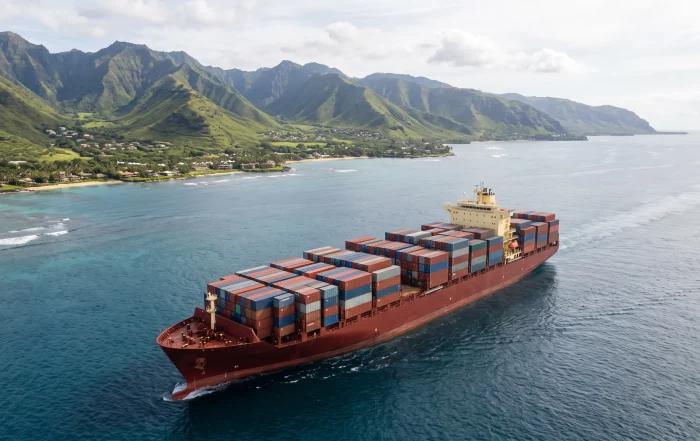
On July 1, 2026, Maui and the broader Hawaiian Islands experienced what amounts to a double hit on shipping costs. Young Brothers, Hawaii’s primary interisland cargo carrier and the only company handling large-volume shipments such as construction materials and furniture between Oʻahu and the neighbor islands, implemented a 3% rate increase. On the same day, the state Department of Transportation imposed a separate 3% increase in state wharfage fees.
This wasn’t an isolated event. Young Brothers had already raised rates by 25.75% effective January 1, 2026—a massive jump that came after years of financial strain. Honolulu Civil Beat reported that Gov. Josh Green signed Senate Bill 2694 into law in May 2026, allowing Young Brothers to impose automatic rate increases of up to 5% annually for three years through 2029.
For furniture shippers and Maui businesses, this creates a cascading cost problem. A piece of furniture that cost $1,000 to ship in late 2025 might cost $1,280 or more by mid-2026—and the increases aren’t finished. The compounding effect means budgeting for Hawaii freight in 2026 requires understanding not just current rates but the trajectory ahead.
Why Young Brothers Raised Rates So Aggressively
Young Brothers operates under extreme financial pressure. The company recorded $15 million in losses in 2024 and $24 million in 2025, with particularly severe losses on the Moloka’i and Lāna’i routes. Cargo volumes have stagnated even as operational costs have climbed, creating a squeeze that the company argues makes rate increases essential to survival.
The company also faced a crisis that few customers knew about: in 2024 and 2025, Young Brothers diverted more than $26 million in state wharfage fees it had collected from customers, using the money to cover operating expenses instead of remitting it to the state. The company now owes the state approximately $30 million in back fees, penalties, and accrued interest—a debt that further strains finances and justifies, in the company’s view, the need for faster rate recovery.
How Hawaii Furniture Freight Pricing Actually Works
Understanding why your furniture shipping bill is so high starts with understanding how Hawaii ocean freight is priced. Unlike mainland LTL (less-than-truckload) freight, which charges by weight and freight class, Hawaii ocean freight is priced primarily by cubic volume. This is a crucial distinction that catches many shippers and customers off guard.
Published ocean freight rates from the West Coast to Honolulu include mainland and Hawaii wharfage charges, terminal handling charges, Hawaii invasive species fees, and fuel surcharges. For freight destined for Maui and other neighbor islands, an additional interisland barge leg through Young Brothers is added after the shipment arrives in Honolulu, which increases both cost and transit time.
The Cubic Footage Factor
Two pieces of furniture with identical weights can price very differently depending on how much container space they occupy. A lightweight sectional that takes up significant cubic footage will cost more to ship than a dense, compact dining table of similar weight. This is why understanding the dimensions and density of what you’re ordering matters before you commit to a purchase.
For Maui specifically, freight destined for the island carries a higher rate than Honolulu because it requires that separate interisland leg. Effective January 4, 2026, ocean carriers servicing Hawaii announced annual pricing adjustments that increased Terminal Handling Charges, Hazardous Ocean Surcharges, and other fees—adjustments that sit on top of base rate calculations and apply to every commercial shipper.
The Neighbor Island Complexity Premium
If you’re furnishing a home on Maui, Kauaʻi, the Big Island, or the smaller islands, you’re paying more than Honolulu customers. The interisland barge booking beyond Honolulu port arrival is a separate transaction, and Young Brothers’ 3% July increase and potential future increases through 2029 will compound this premium. Oʻahu remains the most cost-effective destination because it receives direct vessel calls; everywhere else carries this additional layer of expense.
Maui-Specific Shipping Realities and Strategies
Maui homeowners and vacation rental owners face particular challenges with furniture freight. The island’s geography, tourism-driven economy, and reliance on Young Brothers’ near-monopoly on bulk cargo mean that shipping costs are not negotiable in the same way mainland freight is. However, several strategies can help reduce furniture shipping expenses and manage the impact of 2026’s rate increases.
Consolidate Shipments and Plan Ahead
Smaller, frequent shipments to Maui are exponentially more expensive per item than one consolidated container. If you’re furnishing multiple rooms or managing a vacation rental refresh, batching orders and shipping everything together—even if it means waiting a few extra weeks—can save thousands. Many furniture manufacturers offer lead times of 8–12 weeks for custom orders, so planning ahead isn’t just good practice; it’s essential for managing both cost and delivery logistics.
Choose Quick Ship Over Custom When Possible
Standard made-to-order furniture typically takes 8–12 weeks to manufacture, then faces additional transit and interisland barge time. Quick Ship items, available in 2–3 weeks, may cost slightly more upfront but can reduce your total project timeline and sometimes offer better value when you factor in the cost of extended interim storage or temporary furnishings. On Maui, where every week of project delay can impact rental income or move-in satisfaction, speed sometimes justifies a modest premium.
Select Furniture Suited to Hawaii’s Climate
This is where local expertise makes a genuine difference. Hawaii’s proximity to the equator changes how color reads indoors compared to mainland design advice. More importantly, salt air, wind, and harsh sun degrade fabric, wood, and finishes faster than in most U.S. climates. Choosing furniture with appropriate fabric fiber content, wood species, and finish durability isn’t a luxury—it’s a necessity on Maui. Investing in pieces that can withstand the environment reduces replacement costs and frustration over time, offsetting some of the shipping expense through longevity.
The Regulatory Landscape: What Changed in 2026
Senate Bill 2694, signed into law in May 2026, represents a significant regulatory shift for Hawaii shipping. The bill grants Young Brothers automatic rate increases of up to 5% annually through 2029, removing the need for the company to seek Public Utilities Commission approval for each hike. Young Brothers had argued that the PUC approval process was too slow and cumbersome, forcing the company to operate at a loss while awaiting decisions on rate requests.
The bill was controversial. The Hawaiʻi Farm Bureau opposed the measure, calling interisland shipping “one of the most significant cost drivers for Hawaiʻi’s agricultural producers” and noting that base shipping rates particularly impact small and Neighbor Island farmers who operate on thin margins. Construction industry leaders on Maui raised similar concerns, pointing out that if shipping rates rise, so will the cost of building and furnishing homes.
For furniture buyers and designers on Maui, this regulatory change means rate increases are now predictable and baked into planning. Rather than hoping for rate stability, assume that costs will rise by up to 5% each July through 2029. This assumption should inform budget reserves and project timelines.
Practical Steps to Manage Your Maui Furniture Shipping Costs in 2026
Given the new shipping reality, here’s how to navigate furniture purchasing and delivery for your Maui project:
- Get quotes early. Shipping rates are volatile. Request freight estimates before finalizing purchase decisions, and lock in rates if possible.
- Understand cubic footage. Ask manufacturers for exact dimensions and request a cubic footage estimate from the freight forwarder. Two pieces that look similar in photos can have vastly different shipping costs.
- Plan for interisland complexity. Budget 10–15% of item cost for freight to Hawaii, and remember that Maui adds an additional interisland leg beyond Honolulu.
- Consider local sourcing for some items. While Maui’s furniture retail is limited, sourcing certain pieces locally (lighting, accessories, smaller accent pieces) can reduce overall shipping volume and cost.
- Work with a designer who understands Hawaii logistics. Designers with deep Hawaii experience know which manufacturers offer reliable service, which pieces hold up in the climate, and how to structure orders to minimize freight waste.
Why Professional Design Guidance Matters More in 2026
In a high-cost shipping environment, every furniture decision carries more weight. Ordering the wrong piece, selecting furniture that doesn’t suit Hawaii’s climate, or making multiple small purchases instead of consolidated shipments can quickly erase any savings from careful budgeting.
This is where working with a Maui-based designer becomes valuable. A designer with 27 years of Hawaii-specific experience and direct relationships with manufacturers can access furniture lines not otherwise available on the island, often at better pricing than retail. They can also help you understand which pieces will perform well in Maui’s salt air and sun, and structure your orders to optimize freight efficiency.
Whether you’re furnishing a new home, refreshing a vacation rental, or managing a full interior design project, professional guidance helps you navigate 2026’s shipping costs without sacrificing quality or design vision.
Moving Forward: Your Next Steps
Maui furniture shipping costs have fundamentally shifted in 2026, but understanding the drivers behind these increases—Young Brothers’ financial pressures, regulatory changes, and the mechanics of Hawaii ocean freight—puts you in a stronger position to make smart decisions. Whether you’re working with a designer or selecting furniture independently, the key is planning ahead, understanding cubic footage and interisland complexity, and choosing pieces suited to Hawaii’s unique climate.
If you’re ready to furnish your Maui home or investment property, now is the time to get professional guidance. Reach out to discuss your project scope, timeline, and budget. With the right strategy and expertise, you can create a beautiful space that fits your vision—even in a higher-cost shipping environment. Call 808-891-8800 or visit us at 3031 Old Haleakala Hwy in Makawao to explore furniture options and get a shipping estimate for your specific project.
Need Help With Your Space?
Ask us anything — furniture, design, or where to start.