Door hardware is a small detail with a surprisingly large effect on an island home. The right lever, pull, or finish can make a room feel polished and cohesive, while the wrong choice may show wear quickly in Maui’s sun, wind, and salt air. Because hardware is touched every day, it also needs to feel comfortable, durable, and appropriate for the way your household or vacation rental operates.
This Maui door hardware guide explains how to choose interior and exterior hardware for Hawaii homes, including lever and knob styles, finish coordination, and practical considerations for coastal conditions. You’ll also learn how door hardware relates to cabinet pulls and knobs, lighting, furniture, and other Maui home finishes. Whether you are furnishing a new residence, refreshing a rental, or coordinating a whole-home remodel, thoughtful hardware selections can bring the design together from room to room.
Choosing Maui Door Hardware for Island Conditions
Hawaii homes experience environmental conditions that deserve more attention than generic mainland design advice usually provides. Salt air, humidity, intense sunlight, and open-air living can affect metals, wood finishes, and protective coatings over time. That does not mean every piece of hardware will fail outdoors, but it does mean the location and material should be considered before making a selection.
Interior and exterior hardware serve different needs
For interior doors, comfort and function often lead the decision. Levers are convenient for children, older adults, and anyone carrying items through the house. They can also support aging-in-place planning by reducing the need for a tight gripping motion. Knobs remain a graceful choice for bedrooms, studies, and traditional interiors, especially when their shape complements the surrounding architecture.
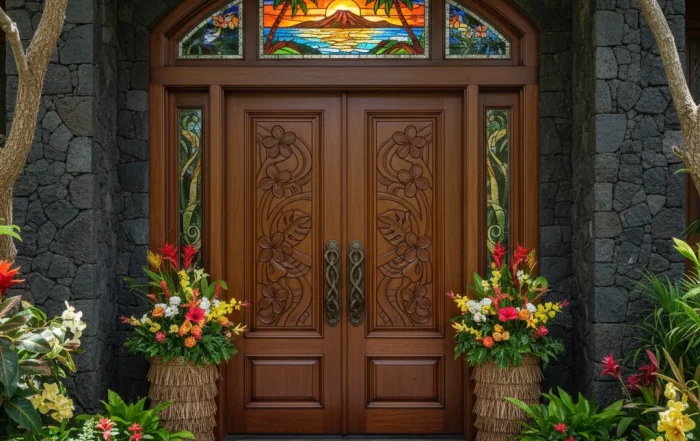
Exterior doors, lanai access points, and doors near the ocean require closer attention to corrosion resistance and maintenance. Look for manufacturer guidance regarding suitable environments rather than assuming a finish is automatically salt air resistant hardware. Hardware under a covered entry may perform differently from hardware fully exposed to wind-driven rain and ocean air.
Think about touch, traffic, and maintenance
A busy vacation rental may benefit from robust, easy-to-clean levers, while a private retreat might prioritize a sculptural pull or hand-finished detail. Before ordering, consider:
- How often the door will be used
- Whether guests, children, or older adults will operate it
- Exposure to moisture, sun, and salt air
- Whether replacement parts will be readily available
- How the hardware coordinates with nearby hinges, lighting, and plumbing fixtures
Levers, Knobs, and Pulls: Matching Form to Function
Hardware should look beautiful, but it should also make the home easier to use. A lever creates a clean, contemporary profile and is often especially practical in kitchens, hallways, and primary suites. A knob can introduce a more classic or furniture-inspired note. For large pivot doors, closets, pantry doors, and statement entries, a vertical pull may provide both visual scale and a comfortable grip.
Create a consistent hardware language
Not every door needs to match exactly. However, a home generally feels more intentional when related hardware shares a finish, silhouette, or design character. For example, a traditional Maui home might use aged brass knobs on interior doors, coordinating brass cabinet pulls and warm lighting. A modern residence may combine slim black levers with linear pulls and simple architectural fixtures.
Consistency is particularly helpful in open floor plans, where several doors and cabinetry areas can be seen at once. If you mix finishes, repeat each finish enough to make the combination appear deliberate rather than accidental.
Coordinate with cabinet pulls and knobs
Door hardware and cabinet hardware do not have to be identical, but they should belong to the same visual conversation. A substantial door lever may look out of balance beside tiny cabinet knobs, while delicate hardware can disappear next to wide drawers and heavy doors.
Use the scale of the room as a guide. Larger kitchens, tall built-ins, and spacious primary suites can support longer pulls and more prominent door hardware. Smaller rooms may benefit from slimmer profiles that preserve a sense of openness.
How to Coordinate Finishes with Maui Home Finishes
Finish selection is where hardware becomes part of the broader interior design rather than an afterthought. Warm metals such as brass and bronze can complement natural wood, woven textures, and earthy paint colors. Polished chrome and nickel tend to feel crisp and reflective, while matte black offers contrast and definition. Each finish changes how light moves through a room, which matters in Hawaii’s bright, equatorial conditions.
Color can also read differently in Maui than it does in a mainland showroom. Strong natural light may intensify warm tones and reveal undertones in paint, stone, flooring, and upholstery. Samples should be viewed in the actual home, at different times of day, and near the materials they will accompany.
For a cohesive scheme, compare hardware with:
- Door hinges, locks, and strike plates
- Cabinet pulls and knobs
- Faucets, sconces, and decorative lighting
- Wood species, flooring, and trim
- Furniture frames, mirrors, and accessories
In coastal areas, maintenance matters as much as appearance. Ask about cleaning requirements, protective coatings, and appropriate exposure before selecting a finish for an exterior or lanai door. A designer can also help determine where a higher-performance specification is worthwhile and where a decorative interior finish is sufficient.
A Practical Hardware Plan for a Maui Home
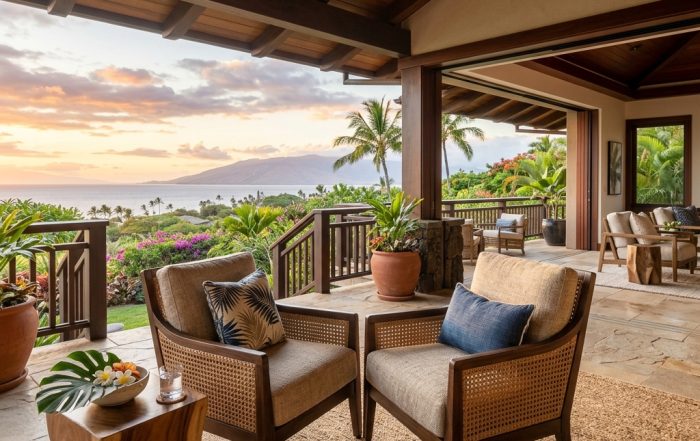
Imagine a new Maui residence with a strong indoor-outdoor connection, a light oak kitchen, warm stone floors, and bronze lighting. Rather than selecting each item separately, the homeowner might use comfortable bronze levers throughout the main interior, longer matching pulls on kitchen drawers, and a carefully specified exterior set for doors exposed to salt air. The result feels unified without looking repetitive.
For a vacation rental, the priorities may be different. Clear labeling, easy operation, durable finishes, and dependable replacement planning can be more important than delicate decorative details. In a primary suite, however, a distinctive pull on a closet or bath door can add a quiet layer of personality.
IDS Maui can help coordinate these decisions with furniture, lighting, fabrics, built-ins, and other selections. With 27 years of Hawaii-specific experience, the team understands how climate, traffic, and indoor-outdoor living influence materials. Valorie Spence, ASID, brings additional expertise in color and texture, helping homeowners move beyond generic tropical themes toward an elegant, authentic island style.
For help selecting Hawaii interior door hardware as part of a larger furnishing or renovation project, contact IDS Maui at 808-891-8800 or visit the showroom at 3031 Old Haleakala Highway in Makawao, Monday through Friday from 10 a.m. to 6 p.m. Bring your plans, finish samples, or project priorities, and the team can help you develop a coordinated specification and quote.
Need Help With Your Space?
Ask us anything — furniture, design, or where to start.