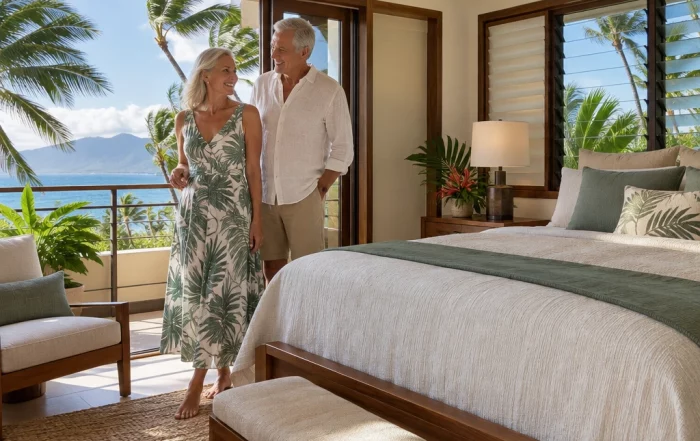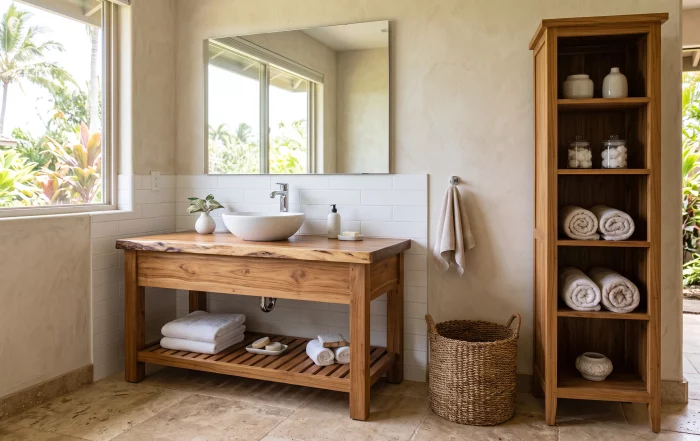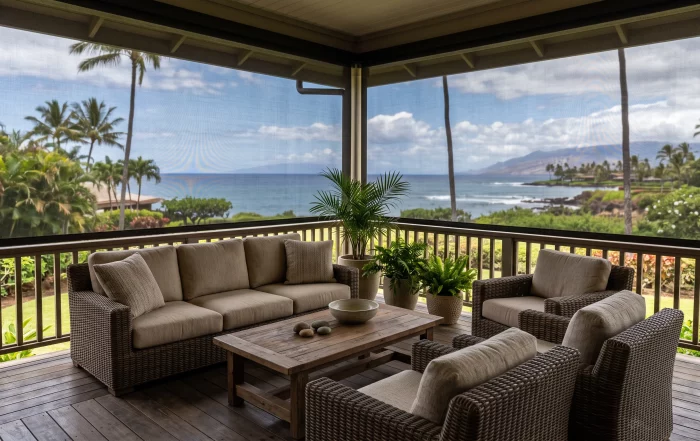
When you walk into a paint store on the mainland and pick a soft blue-gray for your living room, you’re making that choice under very different light than what floods through your Maui windows every morning. Hawaii sits closer to the equator than any other U.S. state, and that geographical fact changes everything about how color behaves in your home. What looks like a gentle sage green in Seattle can read as washed-out mint in Kihei. That warm beige you loved in a Chicago showroom? It might turn flat and lifeless under Maui’s intense, direct sunlight. Understanding how equatorial light affects your color choices isn’t just designer trivia—it’s the difference between a home that feels balanced and harmonious versus one where the walls seem to fight against the light all day long.
Why Maui’s Light Is Different from the Mainland
The science is straightforward but profound: Maui sits at approximately 20 degrees north latitude, while most of the continental United States spans from 25 to 49 degrees north. That closer proximity to the equator means sunlight hits the island at a much steeper angle year-round, traveling through less atmosphere before it reaches your windows. The result is light that’s significantly more intense, with stronger UV components and a higher color temperature that skews cooler and bluer than what you’d experience in Portland, Denver, or Boston.
This equatorial light doesn’t just make things brighter—it fundamentally changes how pigments reflect and absorb light. Colors that depend on subtle undertones for their beauty can lose that nuance entirely when hit with Hawaii’s powerful rays. Warm neutrals can appear stark and cold. Soft pastels might look washed out or chalky. Even bold, saturated colors behave differently, sometimes reading more intense than intended or shifting in unexpected ways as the sun moves across the sky.
After 27 years of designing interiors specifically for Maui homes, I’ve seen countless homeowners—especially those relocating from the mainland—struggle with this adjustment. They bring paint chips and fabric swatches that worked beautifully in their previous homes, only to find those same colors feel completely wrong once installed here. The light quality difference is that dramatic, and it requires a completely different approach to color selection.
How Equatorial Light Transforms Specific Color Families
Cool Colors and Blues
You might assume that because Maui’s light runs cooler, cool paint colors would be a natural fit. The reality is more nuanced. Light blues and blue-grays can indeed work beautifully here, but they need more saturation and depth than their mainland equivalents. A powder blue that looks serene in a Boston bedroom will disappear entirely in Maui, reading almost white under our intense sun. Instead, look for blues with enough pigment density to hold their own—think deeper sky blues, saturated aquas, or blue-grays with substantial body.
Greens face similar challenges. Soft sage and mint tones often turn anemic and institutional under equatorial light. To achieve that fresh, natural green you’re envisioning, you typically need to go one or two shades deeper on the paint chip than you would on the mainland. The stronger light will naturally lighten the appearance, so starting with more color intensity gives you the final result you’re actually after.
Warm Neutrals and Earth Tones
This is where the most dramatic surprises happen. Warm beiges, taupes, and greiges that feel cozy and inviting under the softer, warmer light of northern latitudes can turn flat, gray, and lifeless in Maui. The cool, blue-heavy sunlight essentially cancels out those warm undertones you loved in the showroom. What you’re left with is often a muddy, indeterminate color that doesn’t commit to being either warm or cool—it just sits there looking dull.
If you’re drawn to neutral palettes, the solution isn’t to abandon them entirely but to recalibrate your choices. Look for neutrals with stronger, more obvious warm undertones—colors that might even seem slightly too peachy or yellow when you first consider them. That extra warmth will be tempered by Maui’s cool light, resulting in the balanced neutral you were hoping for. Alternatively, consider leaning into cooler neutrals intentionally, working with the light rather than against it.
Bold and Saturated Hues
Intense colors—deep corals, rich teals, vibrant yellows—can be stunning in Maui homes, but they require confidence and careful placement. The strong light amplifies these colors, making them read even more powerful than they would on the mainland. A coral accent wall that would feel cheerful in a Denver dining room might feel overwhelming in a Wailea breakfast nook with southern exposure.
The key is understanding where and how much. Bold colors often work best on walls that don’t receive direct sunlight, or in spaces where you want genuine drama and energy. They can also be incredibly effective in small doses—a richly colored powder room, a statement piece of furniture, or carefully chosen accessories that pop against a more neutral backdrop.
Practical Strategies for Choosing Colors That Work
The most important rule: never trust a paint chip or fabric swatch under artificial light or in a mainland showroom. Colors must be evaluated in the actual space where they’ll live, under Maui’s natural light, at different times of day. Here’s the process that works:
- Paint large test samples: Get sample pots and paint at least 2′ x 2′ sections on multiple walls in the room. Small chips are useless for judging how a color will actually perform.
- Observe throughout the day: Check your samples in morning light, midday sun, and late afternoon. Colors can shift dramatically as the angle and intensity of light changes.
- Consider orientation: South-facing rooms get the most intense, direct light and require the most careful color selection. North-facing spaces receive softer, more indirect light and can handle subtler tones.
- Test fabrics in context: If you’re selecting upholstery or drapery fabrics, bring large samples home and drape them over existing furniture in the actual room. What looks perfect in our showroom might surprise you in your space.
- Account for reflections: Maui’s abundant ocean views and lush landscaping mean your interior colors are constantly interacting with reflected blue and green light from outside. This adds another layer of complexity to color selection.
Professional designers who specialize in Hawaii interiors develop an intuitive sense for these adjustments over time, but there’s no substitute for real-world testing. At IDS Maui, we’ve learned through nearly three decades of experience which colors consistently perform well in island homes and which ones reliably disappoint, but we still test every selection in the client’s actual space before finalizing decisions.
Real-World Examples from Maui Projects
I recently worked with a couple relocating from Seattle who fell in love with a sophisticated gray-beige for their new Kula home. The color had worked beautifully in their Pacific Northwest living room, creating a warm, enveloping atmosphere. When we tested it in their Maui space, it turned cold and flat—all the warmth had been bleached out by our stronger light. We shifted to a color that initially seemed too warm and peachy to them, almost uncomfortably so in the paint store. Once on the walls, it transformed into exactly the warm, sophisticated neutral they’d been hoping for.
Another client wanted pale aqua walls in a Wailea master bedroom with eastern exposure. The color she’d selected was lovely but too soft—it would have vanished entirely in the morning sun. We went two shades deeper, to a color with real presence and saturation. She was nervous about the intensity, but once installed, the stronger morning light brought it right back to the serene, spa-like aqua she’d envisioned. By noon, when the direct sun had moved past those windows, the color had enough depth to still feel present and intentional rather than washed out.
These adjustments aren’t about second-guessing your taste or abandoning the colors you love. They’re about translating those preferences into choices that will actually deliver the feeling and atmosphere you’re after in Maui’s unique light conditions. The end goal is the same—a beautiful, harmonious space—but the path to getting there requires Hawaii-specific knowledge and experience.
Working with a Designer Who Understands Island Light
Color selection is one of the most challenging aspects of interior design anywhere, but in Hawaii, it becomes exponentially more complex. The stakes are high—paint an entire home in the wrong colors and you’re looking at significant time and expense to correct it, not to mention living with a space that never quite feels right. This is where working with a designer who truly understands equatorial light becomes invaluable.
At IDS Maui, our 27 years of island-specific experience means we’ve navigated these color challenges hundreds of times. We know which paint lines offer the best pigment quality for Hawaii conditions. We understand how to balance interior colors with the blues and greens constantly visible through your windows. We can predict how a color will perform in your specific space before you commit to gallons of paint or yards of fabric.
Whether you’re furnishing a new home, refreshing a vacation rental, or simply tired of living with colors that don’t feel quite right, we’re here to help you get it right the first time. Our showroom at 3031 Old Haleakala Highway in Makawao is open Monday through Friday, 10 AM to 6 PM, and we’d love to discuss your project. Call us at 808-891-8800 or reach out through our website at idsmaui.com. Let’s create a color palette that works beautifully with Maui’s extraordinary light, not against it.
Need Help With Your Space?
Ask us anything — furniture, design, or where to start.