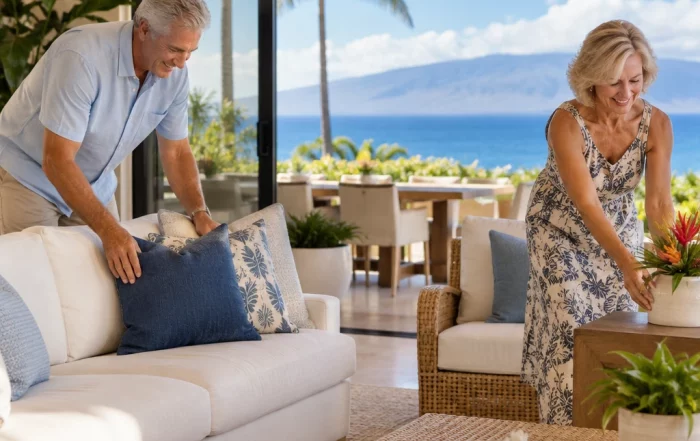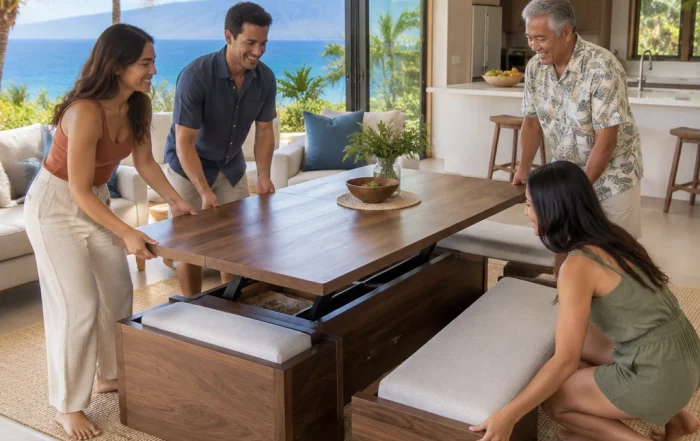
When it comes time to sell a Maui home, the difference between a quick sale at asking price and a property that lingers on the market often comes down to strategic preparation. Buyers in Hawaii’s luxury market expect more than square footage and location—they want a home that feels move-in ready, visually compelling, and designed to support island living. The right furniture, finishes, and styling choices can dramatically boost perceived value, reduce buyer hesitation, and justify premium pricing. Understanding which improvements deliver measurable returns in Maui’s unique real estate environment is essential for homeowners planning to sell.
This guide explores the most effective resale value boosters for Maui homes, from furniture selection and staging principles to climate-appropriate finishes and lifestyle-focused design. Whether preparing a primary residence, vacation rental, or second home for market, these strategies help properties stand out in a competitive landscape where mainland buyers make decisions remotely and first impressions carry outsized weight.
Why Maui Home Resale Value Demands a Different Approach
Maui’s real estate market operates under conditions that make standard mainland advice less effective. According to recent market analysis, buyers are not simply purchasing square footage—they are buying comfort, usability, and confidence in a property they may have only viewed through listing photos and virtual tours. Many mainland buyers make offers without ever stepping foot on the island, which means condition, presentation, and functionality carry significantly more weight than in traditional markets.
Hawaii’s climate also accelerates wear and tear on furniture, finishes, and fixtures. Salt air, persistent trade winds, intense equatorial sunlight, and humidity all affect how materials perform over time. The National Weather Service describes Hawaii as having mild temperatures but significant environmental variation over short distances, meaning a home in Makawao experiences very different exposure than one in Wailea or Kapalua. Buyers are highly aware of these factors and scrutinize properties for signs of deferred maintenance or climate-related damage.
The Remote Buyer Factor
A substantial percentage of Maui home purchases come from mainland buyers who rely heavily on listing photography, virtual staging, and detailed property descriptions. This reality means that visual presentation and perceived move-in readiness matter more than in markets where buyers tour multiple properties in person. Homes that photograph well, feel finished, and communicate low maintenance requirements consistently outperform comparable properties with outdated or incomplete interiors.
Investment Property Considerations
For vacation rental properties or second homes that may be rented short-term, buyers evaluate not just personal livability but also income potential and guest appeal. Furniture that is durable, photogenic, and appropriately scaled for the space directly influences how buyers calculate return on investment. Properties that feel rental-ready command higher prices because they reduce the buyer’s post-purchase workload and accelerate cash flow.
Strategic Furniture Selection That Maximizes Resale Appeal
Furniture is one of the most controllable factors in home resale preparation, yet it is often overlooked or approached generically. In Maui’s market, the right furniture choices signal quality, support buyer lifestyle expectations, and help properties feel complete rather than staged. The goal is not to fill every room but to create intentional, functional spaces that buyers can immediately envision using.
Choose Performance Fabrics Without Sacrificing Style
Durability matters in island homes, but resilient design should never look institutional. Modern performance fabrics now come in sophisticated textures, subtle patterns, and layered colors that support a high-end residential aesthetic. Tight weaves, solution-dyed fibers, and treated indoor-outdoor textiles improve maintenance without sacrificing visual appeal. For homes being staged for sale, upholstery that resists fading, moisture, and wear reassures buyers about long-term ownership costs.
Key fabric considerations for resale staging include:
- Outdoor-rated fabrics in high-exposure areas like lanais and sunrooms
- Neutral base colors with texture interest rather than bold patterns
- Removable cushion covers for easy cleaning and future refreshes
- Materials that photograph well under natural light
Scale and Proportion Signal Thoughtful Design
Oversized furniture can make rooms feel cramped, while undersized pieces leave spaces feeling unfinished. Properly scaled furniture helps buyers understand how to use each room and maximizes perceived square footage. In Maui homes, where indoor-outdoor flow is essential, furniture placement should support natural traffic patterns and highlight views rather than obstruct them.
For properties with open floor plans, sectional sofas and modular seating create defined zones without walls. In smaller condos, multi-functional pieces like storage ottomans, expandable dining tables, and sleeper sofas demonstrate flexibility that appeals to both personal-use buyers and rental investors.
Invest in Statement Pieces That Feel Collected
Generic big-box furniture rarely elevates resale value. Buyers in Maui’s luxury market respond to homes that feel curated rather than catalog-ordered. Statement pieces—a distinctive cocktail table, an artisan-crafted console, a sculptural accent chair—create memorable visual anchors that differentiate a property from competing listings.
Manufacturers like Phillips Collection, Theodore Alexander, and Global Views produce pieces designed to look one-of-a-kind rather than mass-produced. These items photograph exceptionally well and signal to buyers that the home has been thoughtfully appointed. Even a few carefully selected pieces can transform a space from generic to aspirational.
Climate-Appropriate Finishes and Materials
Maui’s environment demands specific attention to how materials respond to salt, sun, wind, and humidity. Homes that show visible climate-related wear—corrosion on fixtures, faded fabrics, wood rot, or moisture damage—immediately trigger buyer concerns about maintenance costs and structural integrity. Addressing these issues before listing is one of the highest-return investments a seller can make.
Wood Species and Finish Selection
Not all wood furniture performs equally in Hawaii’s climate. Dense hardwoods with stable grain patterns and protective finishes hold up better than softer species or unsealed surfaces. In coastal homes, wood furniture should be placed away from direct salt spray and inspected regularly for finish degradation. Using coasters, avoiding placement directly beside open windows during rain, and maintaining protective topcoats all extend furniture life and preserve resale appearance.
Metal Hardware and Corrosion Resistance
Metal components on furniture, lighting, and door hardware are particularly vulnerable to salt air corrosion. Stainless steel, powder-coated aluminum, and marine-grade finishes significantly outperform standard metals in high-exposure areas. For homes being prepared for sale, replacing visibly corroded hardware is a low-cost improvement that disproportionately affects buyer perception.
Flooring That Balances Durability and Aesthetics
Flooring is one of the first things buyers notice and one of the most expensive items to replace post-purchase. In Maui, buyers prioritize durability and ease of maintenance due to sand, humidity, and indoor-outdoor living patterns. Effective flooring improvements include replacing old carpet with durable hard surfaces, refinishing existing wood floors when possible, and repairing cracked tile or uneven transitions.
Flooring that photographs well and feels appropriate to the home’s style—whether coastal contemporary, tropical modern, or plantation-inspired—supports asking price justification and reduces buyer objections.
Staging Strategies That Highlight Lifestyle and Functionality
Professional staging is not about decorating—it is about creating a narrative that helps buyers see themselves in the space. In Maui, that narrative centers on indoor-outdoor living, entertaining, relaxation, and low-maintenance luxury. Furniture and accessories should support this story without overwhelming the architecture or views.
Emphasize Lanai and Outdoor Spaces
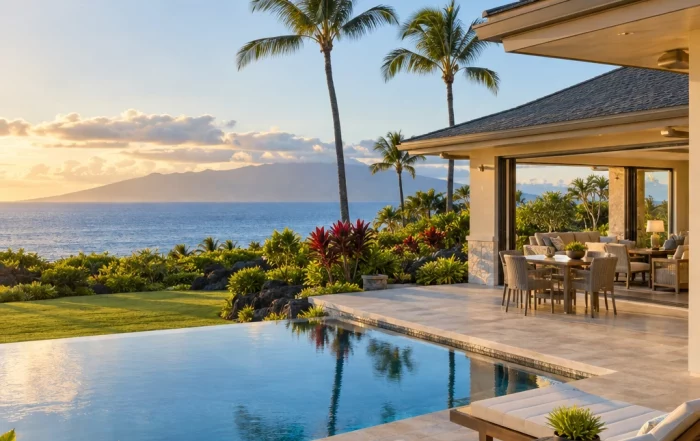
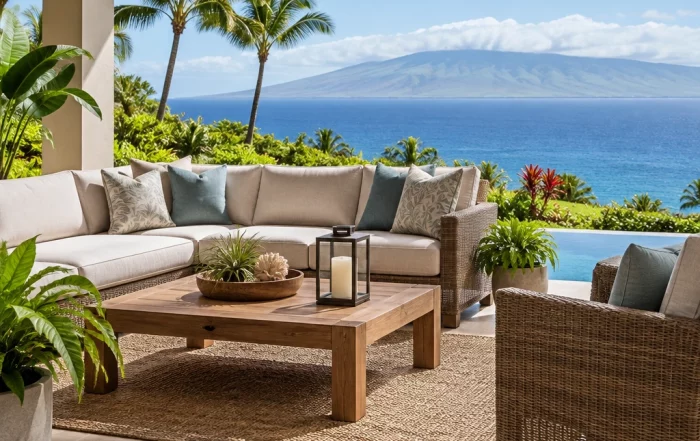
Lanais are a major value driver in Maui homes and condos. Buyers often make emotional decisions based on lanai usability and view access. Simple improvements like cleaning and repairing flooring, adding neutral outdoor furniture for scale, and ensuring clear sightlines to views can significantly impact perceived value.
For properties with multiple outdoor areas, staging should differentiate each space—dining on one lanai, lounging on another—to demonstrate versatility and maximize usable square footage.
Create Functional Zones in Open Floor Plans
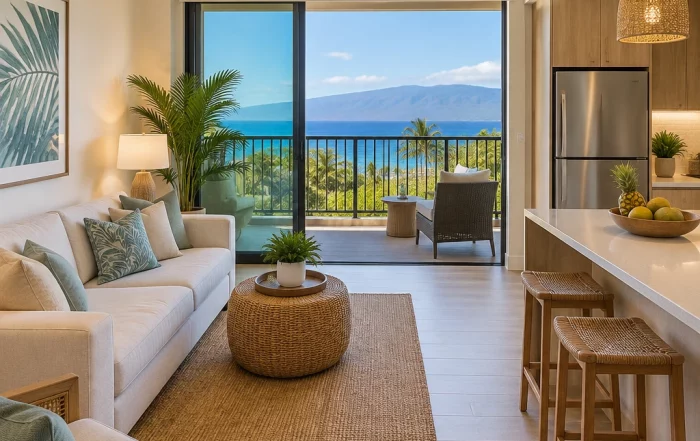
Many Maui homes feature open-concept living areas that can feel undefined without proper furniture placement. Using area rugs, lighting, and furniture groupings to create distinct zones for dining, conversation, and entertainment helps buyers understand how to use the space. This is particularly important for mainland buyers unfamiliar with island home layouts.
Neutral Presentation With Island Character
Staging should appeal to the broadest buyer pool while still feeling authentic to Maui. Neutral base colors allow buyers to envision their own style, but incorporating natural textures, organic materials, and subtle island-inspired accents prevents the space from feeling generic. Woven baskets, driftwood-toned furniture, linen textiles, and botanical artwork all support a sense of place without overwhelming personal taste.
High-Return Improvements Beyond Furniture
While furniture and staging are critical, certain structural and cosmetic improvements consistently deliver strong resale returns in Maui’s market. These upgrades reduce buyer hesitation, support higher asking prices, and often prevent post-inspection negotiation leverage.
Fresh Paint With Island-Appropriate Colors
Few improvements deliver a better return than fresh interior paint. Light, neutral tones reflect natural light and complement tropical views, while avoiding stark white or heavy gray palettes that can feel cold in island settings. Fresh paint signals care, cleanliness, and readiness—all of which directly influence buyer confidence.
Kitchen and Bathroom Refreshes
Full remodels are rarely necessary before selling in Maui, but targeted updates make a measurable difference. In kitchens, focus on updating hardware and fixtures, ensuring appliances are clean and functional, repairing cabinets and drawers, and improving lighting. Clean, functional kitchens outperform dated but overly customized upgrades.
In bathrooms, replacing worn fixtures, updating lighting and mirrors, regrouting tile, and addressing moisture issues reassure buyers about long-term maintenance. Buyers want bathrooms that feel well-maintained and low-risk.
Address Deferred Maintenance Proactively
Buyers are highly sensitive to deferred maintenance, especially mainland buyers making decisions remotely. Repairing minor wall damage, updating worn flooring, ensuring lanai doors and windows function smoothly, and addressing any visible climate-related wear prevent negotiation leverage later. Homes that feel lower risk attract stronger, more confident buyers.
How Professional Design Support Accelerates Sale Preparation
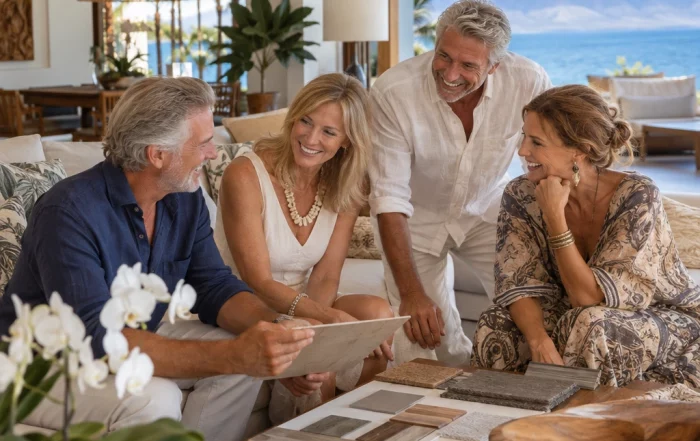
Preparing a home for sale involves dozens of decisions about furniture, finishes, layout, and styling. Professional design support streamlines this process, prevents costly mistakes, and ensures improvements align with buyer expectations rather than personal preference. For Maui homeowners, working with a designer who understands island-specific challenges and luxury market expectations provides a measurable competitive advantage.
Design services for resale preparation typically include space planning, furniture selection and sourcing, color consultation, finish specification, and staging coordination. For homeowners furnishing a property remotely or managing multiple properties, professional support ensures consistency, quality, and timely completion.
IDS Maui has supported Maui homeowners for 27 years with furniture selection, custom ordering, and full-service design for both primary residences and vacation rental properties. The showroom at 3031 Old Haleakala Highway in Makawao features furniture lines from manufacturers like Bernhardt, Baker, Caracole, Century, Hancock & Moore, and Jonathan Charles—many unavailable elsewhere on Maui. Custom options for dimensions, fabrics, finishes, and cushions allow for tailored solutions that fit specific spaces and resale goals.
For homeowners preparing to sell, the design team can provide purchasing guidance, AutoCAD drawings, 3D renderings, and material specifications that ensure every improvement supports resale value. Lead times for made-to-order furniture typically run 8–12 weeks, so planning ahead is essential for properties with scheduled listing dates.
Conclusion: Strategic Preparation Delivers Measurable Returns
Maximizing Maui home resale value requires more than cosmetic touch-ups—it demands a strategic approach that addresses buyer expectations, climate realities, and market positioning. The right furniture choices, climate-appropriate materials, thoughtful staging, and targeted improvements all contribute to faster sales, stronger offers, and reduced negotiation friction.
Homes that feel complete, well-maintained, and designed for island living consistently outperform properties that appear generic or unprepared. In a market where buyers make decisions remotely and scrutinize every detail through listing photos, visual presentation and perceived move-in readiness are not optional—they are essential.
If you are preparing a Maui home for sale and need guidance on furniture selection, staging strategy, or climate-appropriate finishes, IDS Maui offers 27 years of island-specific expertise. Visit the showroom Monday through Friday from 10 a.m. to 6 p.m., or call 808-891-8800 to discuss your project, request a quote, or schedule a design consultation. Whether furnishing a single room or preparing an entire property for market, professional support ensures every decision supports your resale goals and maximizes return on investment.
Need Help With Your Space?
Ask us anything — furniture, design, or where to start.